A paid challenge program for coaches is one of the most powerful formats in the modern creator toolkit — and also one of the most misunderstood. Done right, it delivers client results that are measurably better than standard courses, generates strong social proof, and creates a recurring revenue engine that compounds with every cohort.
Done wrong, it’s a chaotic week of manual message management, low completion, and refund requests. The difference isn’t the content. It’s the infrastructure and the structure.
This guide covers everything you need to launch your first paid challenge program as a coach: how to structure it, how to price it, how to deliver it, and which platform gives you the operational backbone to run it sustainably. This is one of the core principles behind paid challenge program for coaches.
What Is a Paid Challenge Program for Coaches?
A paid challenge program is a structured, time-limited transformation program where participants pay to take a specific daily action over a defined period — typically 3 to 21 days. Unlike a self-paced course, a challenge has a fixed start date, a cohort of students moving through the program together, and a daily output requirement that creates accountability through visibility.
The format originated in fitness (“30-day abs challenge”) but has proven effective across virtually every coaching niche: mindset, business, nutrition, writing, relationships, productivity, and financial literacy. What varies is the daily action; the underlying mechanics of accountability, urgency, and community are universal.
For coaches, the paid challenge program is particularly valuable because it solves the biggest problem in online education: low completion rates. According to completion research published by the Online Learning Consortium, self-paced courses average 5–13% completion. Well-structured challenge programs consistently achieve 45–70%. The same client transformation that your course content enables happens at dramatically higher rates when it’s delivered in challenge format.
Why the Paid Challenge Format Works Better Than Courses
There are five structural reasons a paid challenge program for coaches outperforms a standard online course.
Urgency. A challenge has a start date and an end date. Participants know the clock is running. This creates the psychological commitment that evergreen courses fail to generate.
Daily output. Participants do something every day. Not watch something — do something. This converts passive content consumers into active practitioners, and active practitioners see results, leave testimonials, and renew. Mastering paid challenge program for coaches is key to sustainable growth.
Cohort accountability. When participants move through the program together and can see each other’s progress, missing a day has a social cost. The peer dynamic that drives university completion rates and bootcamp graduation rates is entirely replicable in digital challenge formats.
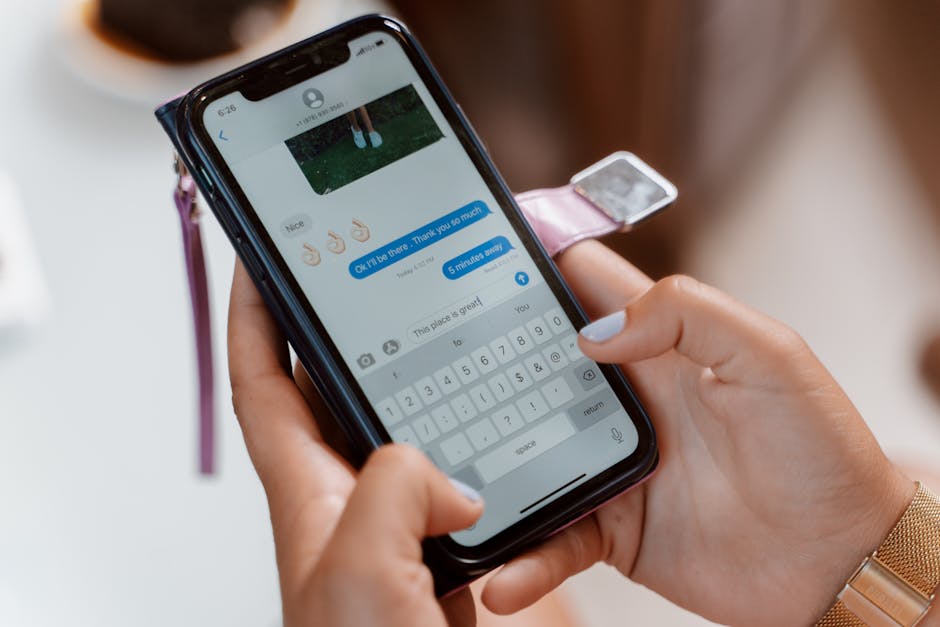
Channel-agnostic delivery. With CommuniPass Paid Challenges, each participant chooses their delivery channel at checkout — WhatsApp, Telegram, Discord, email, or others. The daily challenge prompt arrives in the same place as their personal messages. No new app to open, no login friction, no barrier between them and the day’s work.
Automated re-engagement. The system monitors participant activity and lets the creator send context-aware check-in messages when someone goes quiet. The nudge catches the quiet dropouts before they fully disengage. Learn more about how automation powers high-completion coaching programs.
How to Structure a Paid Challenge Program as a Coach
Choose Your Transformation Outcome
Every great paid challenge program for coaches begins with a specific, achievable transformation. Not “improve your mindset” — “write in your mindset journal every day for 21 days and develop a morning routine that survives contact with a hard week.”
The more specific and measurable the outcome, the easier it is to enroll, the easier it is for participants to track progress, and the easier it is for completers to write a specific testimonial. Consistent execution of paid challenge program for coaches separates top performers.
Define the Daily Action
The daily action is the heartbeat of your challenge. It must be:
- Completable in 15–45 minutes (lower barriers to daily compliance)
- Clearly defined (participants should never wonder what to do)
- Progressively building on previous days
- Deliverable through a simple message, photo, short video, or form
For a fitness challenge, the daily action might be completing a specific workout and posting a progress photo. For a writing challenge, it might be writing 250 words on a given prompt. For a financial literacy challenge, it might be reviewing one spending category and making one small adjustment.
Set the Timeline and Cohort Structure
Most paid challenge programs for coaches run for 21, 28, or 30 days. The sweet spot depends on your niche and the depth of transformation required. Twenty-one days is the most common for habit formation. Thirty days works well for skill development programs. Longer programs need especially strong re-engagement mechanisms to prevent Day 10–15 drop-off.
Plan your cohort schedule for the year before your first launch. Four cohorts per year with defined start dates creates a launch rhythm that your marketing and your audience can adapt to.
Price Your Challenge Appropriately
Pricing for a paid challenge program for coaches varies enormously by niche and audience. Common price ranges:
- Entry-level ($47–$97): Lower-barrier programs focused on a single simple habit
- Mid-tier ($147–$297): Substantive transformation with daily coaching support and community
- Premium ($397–$797): High-intensity programs with significant time commitment and direct coach access
An important note: CommuniPass’s fee structure for Paid Challenge enrollment is separate from the Payment Links product. Payment Links — CommuniPass’s zero-fee option — are for standalone product sales like ebooks, workbooks, and session packs, not for challenge enrollment payments. Price your challenge with your full cost structure in mind. The results speak for themselves when paid challenge program for coaches is applied correctly.
The CommuniPass Challenge Setup: A Step-by-Step Walkthrough
Step 1: Create Your Challenge
In CommuniPass, you define the challenge name, start date, duration, price, and enrollment deadline. You upload your program description and set the daily content structure.
Step 2: Build Your Daily Content Bank
Upload each day’s content in advance — this can be a short personal video (CommuniPass recommends under 5 minutes: direct, conversational, filmed on your phone), a file, a link, a task description, or a question. The challenge philosophy is personal, short, and interactive — participants don’t sit through lectures, they receive a focused daily touchpoint and take one specific action. CommuniPass delivers each day’s content automatically through each participant’s chosen channel on the scheduled day, with no manual sending required.
Step 3: Set Up Scheduled Follow-Up Questions
CommuniPass allows you to pre-schedule automated follow-up questions at specific points in the challenge — a Day 1 check-in, a mid-challenge pulse, a Day 21 reflection. These arrive automatically through each participant’s chosen channel and give you visibility into engagement without manual monitoring. The challenge dashboard also shows you who has completed each day’s activity, so you can identify participants who need personal attention.
Note: CommuniPass AI Agents are a separate, standalone product for 24/7 conversational coaching access — not part of the challenge delivery system itself.
Step 4: Set Up Enrollment
CommuniPass manages your enrollment window, sends confirmation messages to new participants, and delivers pre-challenge orientation content automatically. Each participant selects their delivery channel during checkout.
Step 5: Launch and Monitor
Once live, your morning ritual becomes a brief review of the dashboard: who’s engaged, what questions came in overnight (already answered by the AI Agent), and which participants need personal outreach. For a 50-person challenge, this typically takes 20–30 minutes per day.
What to Do After the Challenge Ends: The Retention Stack

The end of a paid challenge program is the highest-leverage moment for your business. You have a group of people who:
- Just experienced your coaching at its best
- Completed something difficult with your guidance
- Are experiencing the peak of their motivation and goodwill
This is the moment to offer them a Paid Group — an ongoing accountability community where they continue their progress, connect with fellow challenge alumni, and access your ongoing content. Alumni groups built from challenge completers have notably lower churn than groups assembled from cold audiences, because the trust is already built. Getting paid challenge program for coaches right starts with understanding your audience.
The continuation path from challenge → alumni group is the most reliable recurring revenue pattern in the paid challenge program ecosystem. See how creators are structuring this transition in 2026.
Honest Limitations: When the Challenge Format Isn’t the Right Fit
A paid challenge program for coaches is not appropriate for every coaching offer.
Complex skill acquisition that genuinely requires more than 30 days of progressive learning doesn’t fit the challenge format well. A 6-month mentorship or a multi-module professional certification needs a different structure.
Reference-heavy content that participants need to access non-linearly — legal document libraries, recipe databases, technical references — doesn’t benefit from the linear, daily delivery format. A Paid Group may serve this use case better.
Fully asynchronous audiences where participants are in radically different time zones and schedules may find the cohort urgency structure more stressful than motivating. Research from the Harvard Business Review on adult learner motivation confirms that urgency structures help some learners and hinder others — understanding your audience’s profile is essential. Know your audience’s relationship with structure before committing to the format. Most coaches overlook paid challenge program for coaches when building their business.
Explore how this challenge model compares to course and platform alternatives to confirm it’s the right fit for your specific program.
Key Takeaways

- A paid challenge program for coaches outperforms standard online courses by delivering urgency, daily output, peer accountability, channel-flexible delivery, and automated re-engagement in a single format.
- The daily action is the most important structural element: it must be clear, achievable in 30–45 minutes, and progressively build toward the stated transformation outcome.
- CommuniPass Paid Challenges deliver content through each participant’s chosen channel, removing the access friction that kills completion rates.
- The AI Agent automates onboarding, FAQ, and re-engagement — reducing the operational load of running a challenge to 20–30 minutes of personal attention per day.
- Post-challenge Paid Group offers are the highest-converting retention mechanism for challenge completers.
- Payment Links are for standalone product sales (ebooks, workbooks, session packs) — not for challenge enrollment payments, which use the Paid Challenge product’s own structure.
Conclusion
A paid challenge program for coaches is the most powerful format available for delivering client transformation at scale. The format works because it aligns human psychology — urgency, social accountability, progressive wins — with the operational realities of digital coaching delivery.
The difference between a successful and unsuccessful challenge comes down to infrastructure: how content is delivered, how participants are supported, and how disengagement is detected and reversed. Explore CommuniPass Paid Challenges and see how the right infrastructure makes the difference between a 12% completion rate and a 75% one.
Paid challenge program for coaches success depends almost entirely on how clearly the daily action is defined — a short personal video under 5 minutes, a specific task, or a focused question. The coaches running the most successful paid challenge program for coaches formats keep their challenge between 3 and 21 days and upload all daily content before opening enrollment. If launching a paid challenge program for coaches is on your roadmap for 2026, CommuniPass plans start at $29/month — start with one cohort, measure the 70–80% completion rate benchmark, and build from there.
Frequently Asked Questions
What is a paid challenge program for coaches?
A paid challenge program is a structured, time-limited coaching program where participants pay to take a specific daily action over a defined period — typically 3 to 21 days. Participants move through the program as a cohort, creating peer accountability and shared momentum.
How much should I charge for a paid coaching challenge?
Typical pricing ranges from $47 for simple habit challenges to $297–$797 for intensive programs with significant daily commitment and direct coach involvement. Price based on the depth of transformation and the value of the outcome, not just the number of days.
How many participants do I need to run a paid challenge profitably?
Most coaches break even on challenge infrastructure costs with as few as 10–15 participants. The cohort dynamic and accountability mechanisms work well even in small groups. Revenue compounds as audience size grows. Investing time in paid challenge program for coaches pays dividends long-term.
How do I deliver daily content in a paid challenge?
With CommuniPass, you upload all daily content in advance and the platform delivers each prompt to participants through their chosen channel on the scheduled day. No manual sending required once the challenge is live.
What channels can participants use in a CommuniPass challenge?
Participants choose their delivery channel at checkout. Options include WhatsApp, Telegram, Discord, email, and others. The creator sets up the challenge once; CommuniPass handles multi-channel delivery automatically.
How do I reduce dropout in a paid challenge?
The most effective mechanisms are: a fixed end date (3–21 days), daily output requirements (not passive consumption), a cohort structure where participants can see each other, pre-scheduled automated follow-up questions at key points, and short daily content (under 5 minutes) that doesn’t demand large time blocks.
Can I run a paid challenge alongside an ongoing Paid Group?
Yes. Many coaches run quarterly or bi-annual challenges to bring in new cohorts, then offer challenge completers ongoing Paid Group membership. The challenge-to-group transition is one of the most reliable recurring revenue patterns in digital coaching.
What’s the difference between a paid challenge and a course?
A paid challenge has a fixed start date, requires daily participant output, runs participants through as a cohort, and uses urgency and social accountability to drive completion. A course is self-paced, typically passive, and has none of these structural completion drivers.
Does CommuniPass work for challenges in niches other than fitness?
Yes. CommuniPass Paid Challenges are used by coaches in mindset, business, nutrition, writing, financial literacy, productivity, relationships, and other niches. CommuniPass reports 70–80% challenge completion rates — 14x the industry average — across all niches. The delivery and accountability mechanics work wherever daily habits or skills are the transformation vehicle.
How does the AI Agent help with a paid challenge?
The AI Agent handles participant FAQ, sends the Day 1 welcome sequence, monitors engagement, sends re-engagement nudges for inactive participants, and collects post-challenge feedback — all automatically. This operational support is what allows a single coach to run a 100+ person challenge without burning out.
Key Terms Glossary
Paid Challenge: A structured, time-limited coaching program where participants pay to complete a specific daily action over a defined period, typically 3–21 days, moving as a cohort.
Cohort: The group of participants who enroll in and progress through a challenge together simultaneously. Cohort visibility creates peer accountability that drives completion.
Daily Action: The specific task each participant completes each day of the challenge — the core mechanism that converts passive learners into active practitioners.
AI Agent: An automated coaching assistant trained on challenge content to handle FAQ, onboarding, and re-engagement without requiring manual coach intervention.
Re-engagement Nudge: An automated message sent when a participant has been inactive for 48–72 hours — the single most effective intervention for catching quiet dropouts before they leave.
Channel-Agnostic Delivery: CommuniPass’s delivery model where each participant receives challenge content through the messaging platform they chose at checkout — WhatsApp, Telegram, Discord, email, or others.
Paid Group: A CommuniPass product for ongoing subscription community access — the most common continuation offer for challenge completers.
Payment Link: A CommuniPass product for standalone product sales (ebooks, templates, session packs) with zero transaction fees — entirely separate from Paid Challenge enrollment.